Wingsurfers Magazine - Interview with headmaster Malte

Published On: 10. June 2022|Categories: Allgemein, Kurse|Tags: , , |
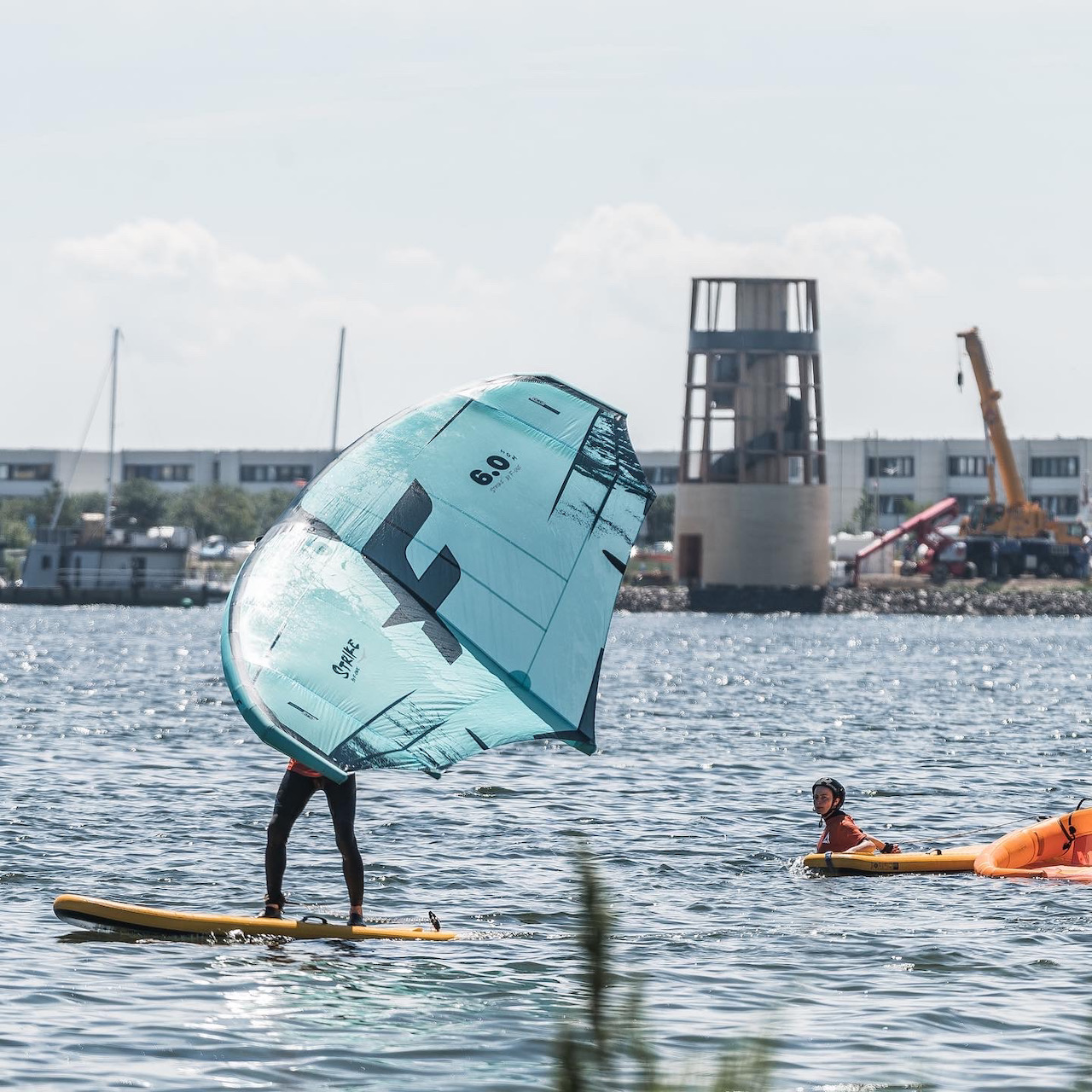
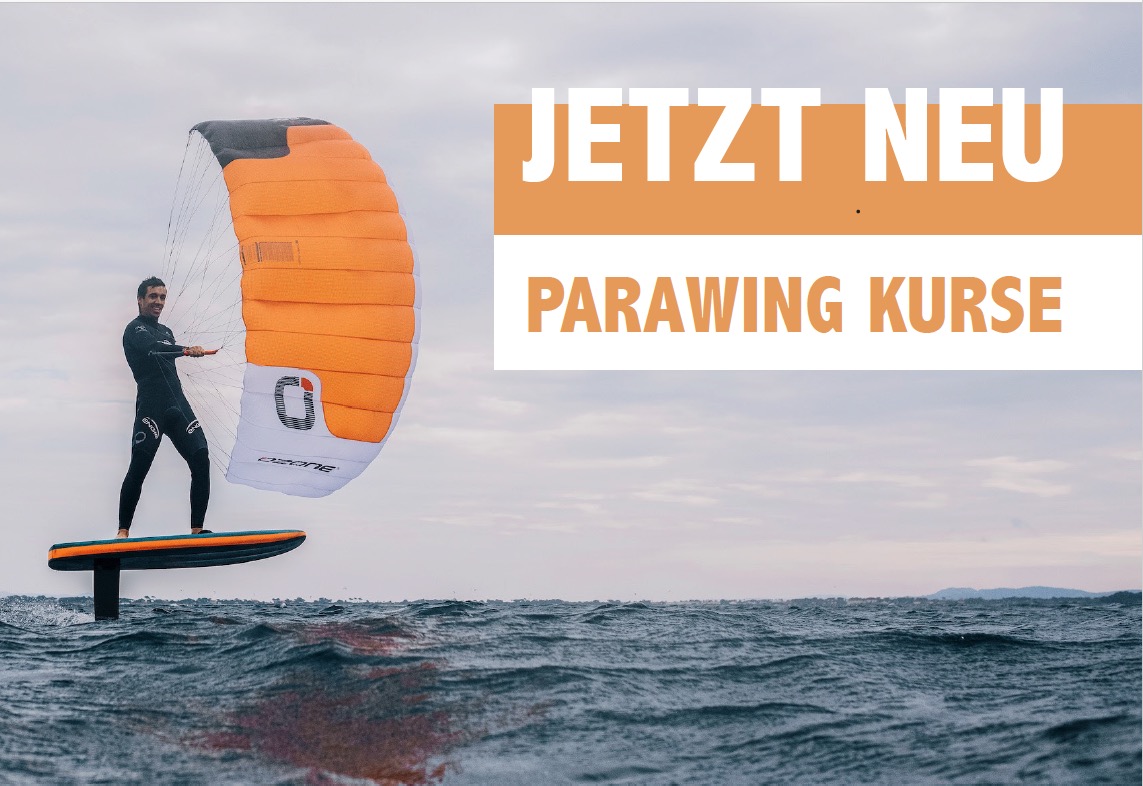
Shows Daniel wingfoiling
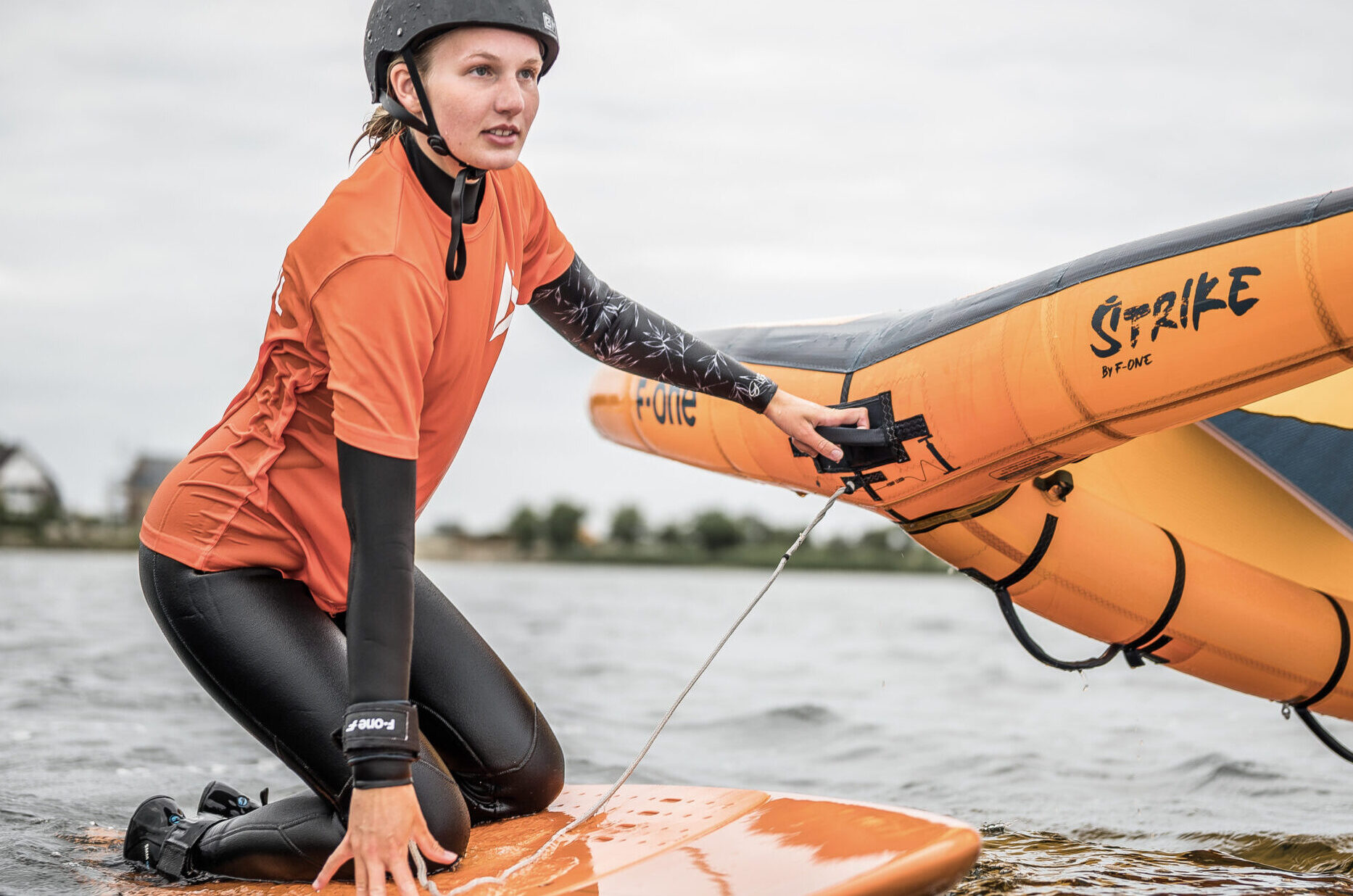
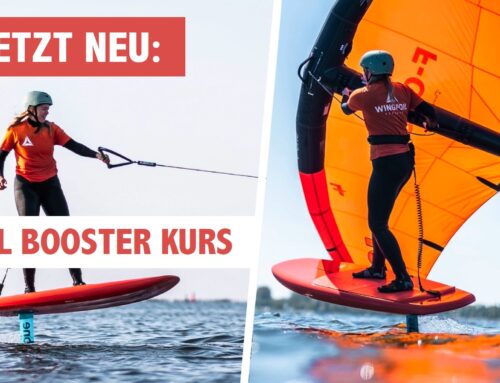
Shows Frederike on the wingfoil course
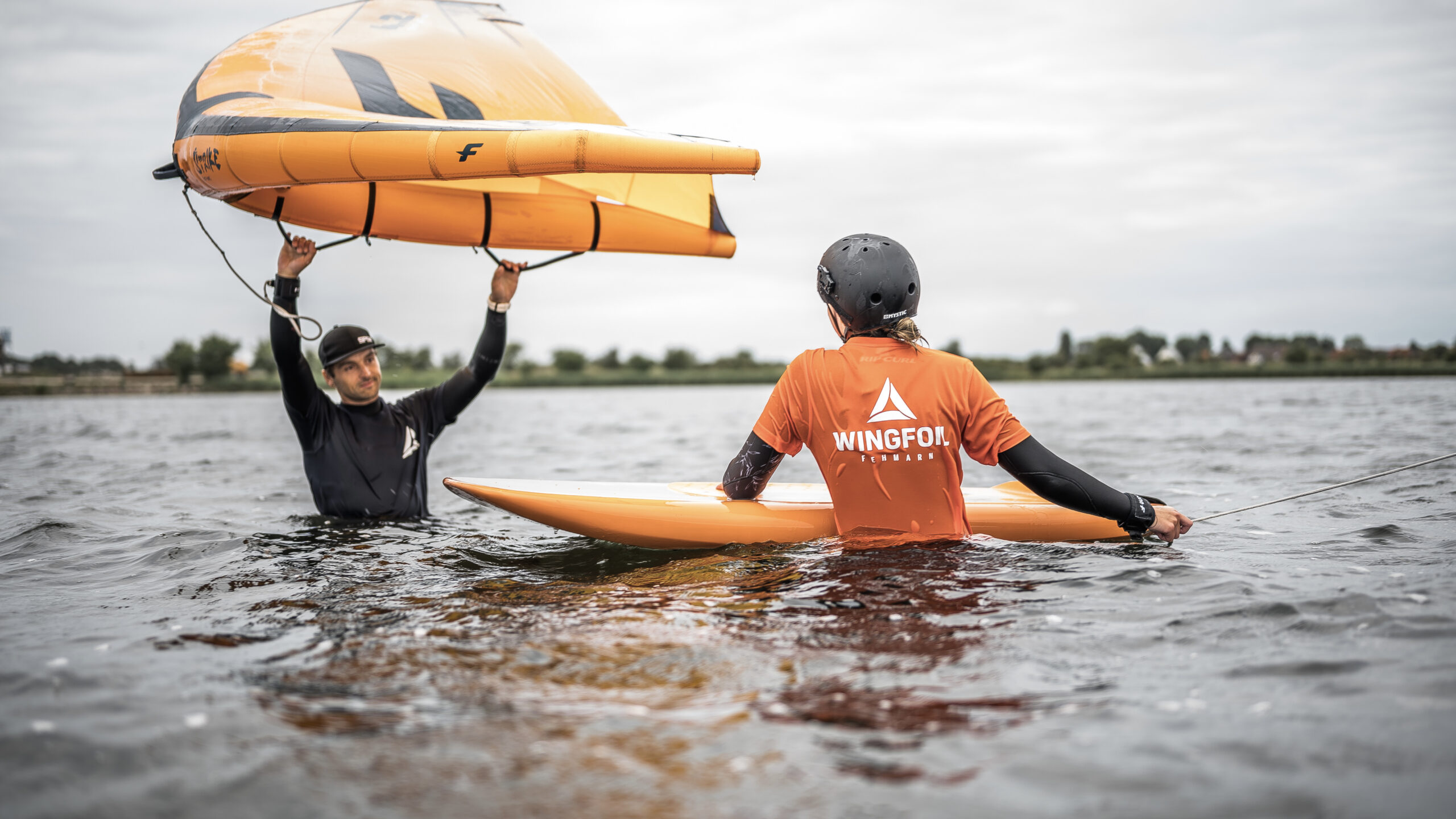
From our wingfoil training on the inland lake

WINGSURFERS MAGAZINE - Interview with Headmaster Malte

School check - what you should look out for when choosing a school

A really interesting and important interview with headmaster Malte in the new issue of the Wingsurfers magazine (02/22). In the interview, Malte tells us how to recognise a good, high-quality school and why it's important to do a course. Malte is a real pioneer when it comes to (wing) foiling and was one of the first to bring wings to Germany. In addition, „Wingfoil Fehmarn“ is the first wingsurfing school in Germany. So Malte and his team know what they are talking about :-)

If you can't wait, you can read the interview here. Otherwise you can buy the magazine as a print edition (worth it!) or read it as an e-paper. Here go to the Wingsufers magazine.

Of course, I can only say this from my experience here on Fehmarn, but if you want to take off at some point, it is important that the school has a lot of foil experience. If the instructors are wingfoilers themselves who actually go wingfoiling regularly, they can teach this sport with passion and expertise. Unfortunately, this is not standard. Some schools teach wingfoiling „on the side“ and often don't have a suitable selection of equipment. We have had very good experiences with hybrid boards for stand-up paddling and foiling. Then the student doesn't have to get used to a new board again. Some schools organise beginner courses on windsurfing boards. This is okay for the very first attempt and you get to know the wing. After that, better boards specially developed for wingfoil schools should soon be available.

If the area has deep water, a boat should be available. Otherwise it can be very frustrating and exhausting to run up the beach again and again. This is because every beginner has more or less big problems with running up the beach at the beginning, whether with or without a foil.

Small learning groups and detailed land training, in which the student is familiarised with the theory of foiling, are absolutely essential. Foiling is very new and the way of travelling is different from kitesurfing, windsurfing or wakeboarding. Foiling is flying! You have to understand that first. The more relaxed our students are, the less pressure they put on themselves and the better they listen [laughs], the easier it is to get started in the world of foiling.

Many beginners who don't do a course tell us about the same problems again and again: They lose their foil much more frequently because they don't know that screws should be tightened properly and how to do it. Sounds funny, but it really is true. They drift off more often and that can be dangerous. They often learn more slowly because a little tip often helps them to progress quickly. And that can also be expensive: They often buy material that doesn't suit them and therefore quickly buy new material again. They break their equipment much more quickly because they don't know anything about areas or material science. Injuries happen more often. They lose their equipment more often because a leash doesn't close properly or breaks. This all sounds very harsh and is not the case for all beginners. Of course there are exceptions. However, we are increasingly noticing that more and more students are signing up who have their own equipment that doesn't fit together or doesn't fit them at all. It is important to understand that wingfoiling is a very individual sport. No two set-ups are the same. Each person has their own preferences. One person rides with more weight on the front foot, the other with more on the back foot, one likes to ride slowly, the other loose, one slow, the other fast. Even I often find myself on a friend's perfectly adjusted set-up and can't cope with his favourite set-up at first.

A beginner's course costs between 149 and 299 euros. A complete set of wingfoil equipment costs at least 2,000 euros, but more likely 3,000 to 4,000 euros. So the course costs to get to know everything are well invested. What's more, the students still have a few competent instructors on hand after the course who can help them at any time. And if they then want to buy their own materials, they know what they need. It's worth it in any case.

Beginners who want to learn wingsurfing without a foil should ideally learn in shallow water. This is the best way to make progress. The instructor can look after three to five people at the same time. If the foil is added, there should be no more than two, maximum three students per instructor. It also depends on the prevailing conditions how a teacher can look after their students. It makes a big difference whether the instructor is on the boat or on the foil. But two to four is the golden rule for us. So you should always ask about the size of the group. In practice, this is often adjusted upwards.

The student must stay cool.
[laughs] First of all, there are also advantages. The mounted foil gives the board more tracking and tipping stability. First of all, the student should warm up to the board, i.e. learn exactly the same manoeuvres and how to go upwind as on the previously unmounted board. Once the student is ready for the take-off, the instructor should briefly explain what needs to be considered when flying the first few metres. The first step to success is short rides of around two to ten metres. The aim should be to only let the board take off very briefly and then go straight back into a displacement ride. As no student will be able to safely foil for hundreds of metres straight away, this is the best way to get a feel for the lift-off and touchdown behaviour without crashing. Over time, the steps will get bigger and bigger. Another very important thing: the mast length should be correct! Otherwise there is too high a risk of injury. This topic is very underestimated. In our experience, a 75-centimetre mast has no place in a beginners' course!

Yes, you have to be very careful! On a normal water ski/wakeboard lift, it can be a real pain in the arse. Foil beginners have no place there. The speeds are too high. We train on a 2.1 system where our instructors can set the speed precisely using a joystick. This gives us the opportunity to optimally prepare the student for take-off at walking speed. This is foiling under laboratory conditions and couldn't be easier. We also do this behind our boat. Here we go one better: The student can foil hundreds of metres without interruption. We offer a „foil guarantee“ on both courses, as everyone really does get to foil a few times.

This depends very much on the student's previous knowledge. Here is an overview of a ranking based on our experience over the last two years, but no guarantee! [laughs]

- 1st place: Windsurfers with previous windsurf foil experience or previous kite foil experience. They only need a two-hour session, then they can start foiling, provided they have the right material.

- 2nd place: Windsurfers without previous foil experience. A high percentage of these students also foils several metres during our four-hour course.

- 3rd place: Sailors without previous windsurfing and foil experience. They get the hang of the right sail position faster than the normal beginner without any previous experience. You notice this immediately. The right feeling that your skin and ear give you for the prevailing wind direction makes it easier to go upwind. Only the board balance needs to be practised. A four-hour course should be enough to start with. Another two hours the following day would be ideal.

- 4th place: surfers or skaters and kitesurfers. Kitesurfers tend to become very accustomed to the inverted position when riding in a harness. As a result, they often edge too much. It takes some time to train them out of this. Because that's exactly what the foil doesn't like. What's more, kiters don't have to worry about the kite's angle of attack. The wing, on the other hand, is held in the hand. The wingfoiler has complete freedom of movement. The rider can then overshoot the wing very easily. The optimum course format is a four-hour beginner's course with one or two two-hour sessions on top.

- 5th place: no previous water sports experience. They have to learn everything from the start. However, this can also have advantages. We have often been amazed at how quickly progress is made here. After all, no habits have crept in from other water sports. Learning to wingfoil is very beginner-friendly. The ideal course here is our beginners' premium course: eight hours of lessons over three days.


Share our blog post!