
Wingfoiling with trapeze ropes? Experience report!
Wingfoiling with trapeze ropes? Experience report!
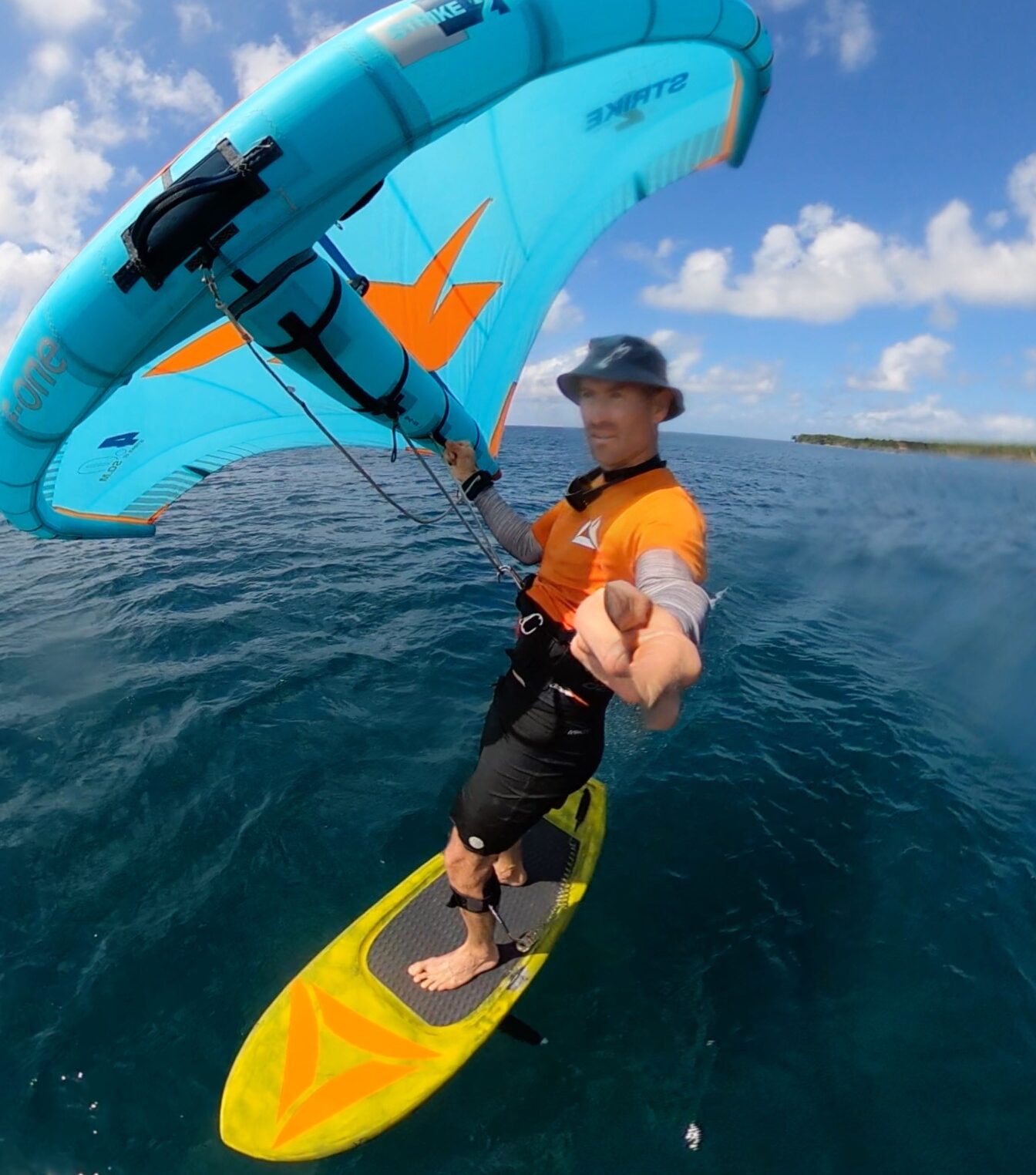
A trapeze rope is really cool - even when wingfoiling. I'll tell you what to look out for in this blog. There are also a few tips on the way to relaxed cruising.
Wingfoiling with trapeze ropes? An experience report! I've had a harness rope lying around for ages. I ordered it when I placed my very first wing order in 2019. I haven't touched it since then because I thought it was useless - after all, that's what's great about wingfoiling: the free movement. No annoying hooks to get in the way?!
This year on our Nicaragua wingfoil holiday it was finally time to give the harness rope a chance. Why? I'm currently focussing more on surfing (riding the waves) and am now training a lot on downwinding (reading waves on the open sea). When downwinding with the wing in tow, you cover a lot of kilometres. You then have to ride the kilometres you've ridden back up again, i.e. upwind. The harness lends itself to this like never before.
Anyone who has ever spent 4-6 hours a day in Denmark, e.g. Hanstholm, riding the waves over and over again into the bay, knows exactly how exhausted you can be from going upwind. It can really wear you out. Waves + wingfoiling can quickly become an addiction ;-)
I found the result of the trapeze wingfoil quite surprising! I like it!
Who is a trapeze rope suitable for? What are the advantages?
Of course, this is a matter of taste, but tends to suit all riding styles at an advanced wing level.
Especially for those who tend more towards „freeride“ when foiling and really ride surf style. The arm relief can also be very helpful for freestyle (jumping), as you tend to ride larger wing sizes there. I would rather say that the harness ramp is something for „long distance return riders“. It also makes sense in the light wind wingfoil area. The holding forces can be quite high with light wind wings.
- For all those who sail in wide-open conditions: open sea and large fjords. If you want to travel long distances and simply be on the water for a long time.
- To learn how to winch down with the wing kite, you have to cover a lot of distance downwind, but also upwind. The harness rope helps to take the strain off your arms when winching up. This means you can easily stay on the water for several hours and ride thousands of waves.
- For all wave riding addicts with less than perfect offshore conditions where you don't have to run upwind anyway.
- You can ride extreme courses against the wind. Almost like kitefoiling. Almost! ;-)
- For all those who spend a lot of time travelling in the cold season: A trapeze rope eliminates the forearm pain caused by the cold and wearing gloves that is familiar from wingfoiling.
_
Are there any disadvantages?
Yes, there are some disadvantages to using a trapeze pole when wingfoiling.
- Not for beginners: You shouldn't even think about a harness rope for the first year. It will penalise the learning process and handling. Wingfoiling is all about sensitivity and this is best practised with your arms, completely free of constraints.
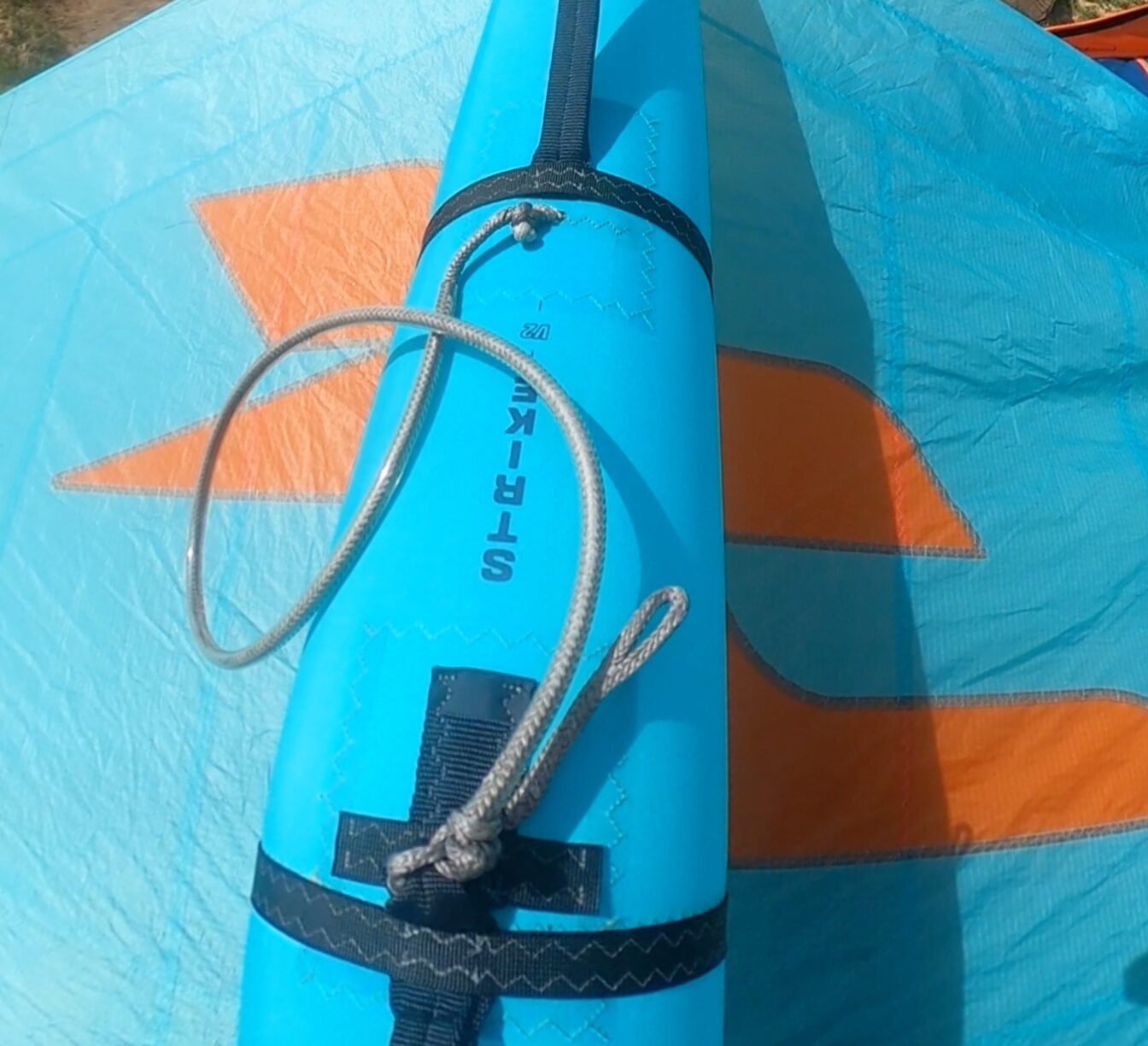
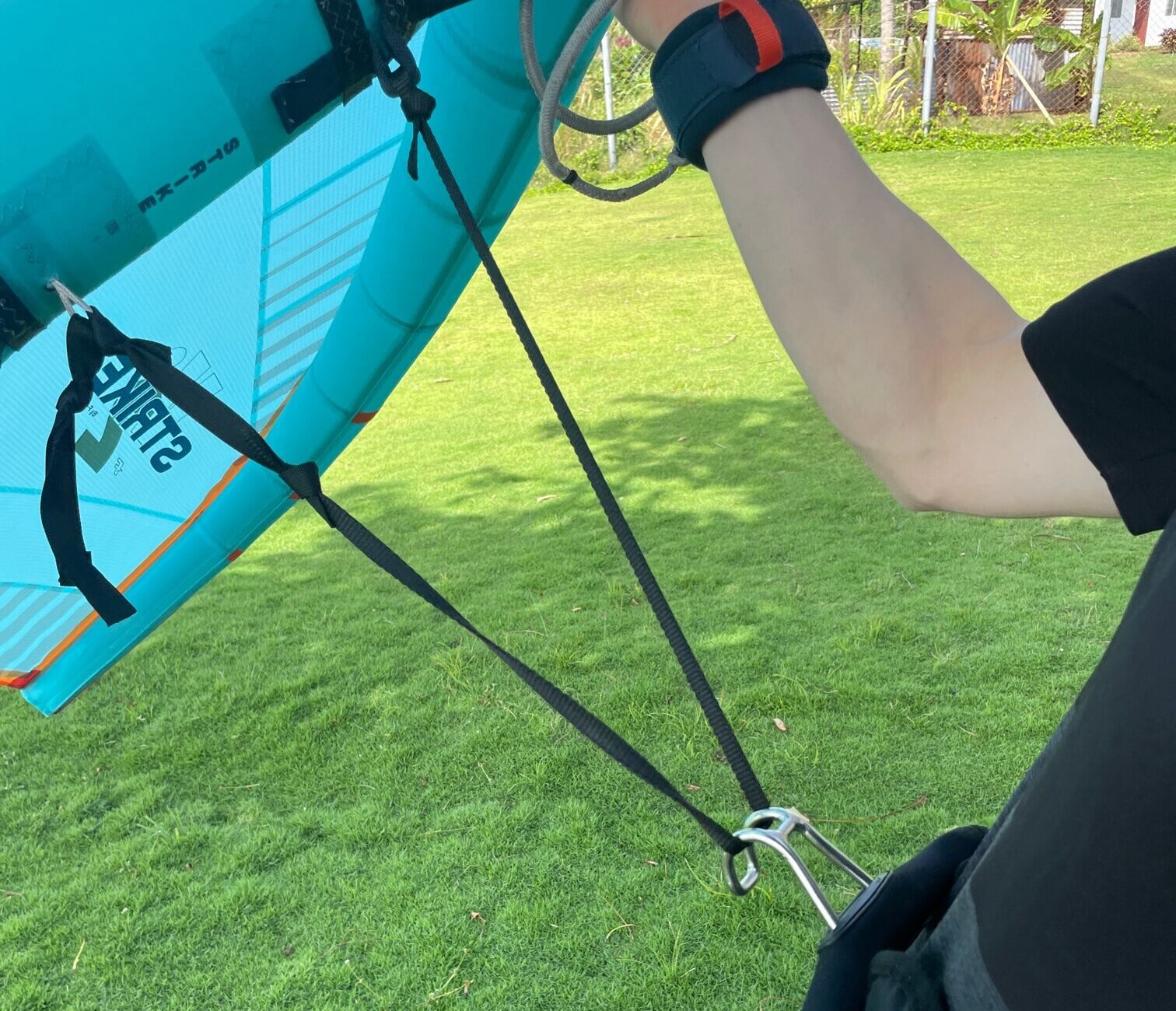
- The trapeze rope on the wing can be quite annoying when „pumping out“ of the water. Depending on the design, it „flops“ back and forth to a greater or lesser extent.
- It is also very easy to accidentally hook yourself when „pumping out“ of the water. This is also a bit annoying. -> The remedy here is to turn the harness hook to the side.
- A fixed hook, similar to a normal surf harness, can easily damage and dent the board surface. Especially if you don't remember to turn the hook to the side.
- The falls when hooked in are a lot more blatant than unhooked. I've already made a few decent exits.
Very interesting: I really had to get used to the feeling and it took me 1 or 2 sessions to feel really comfortable. The behaviour when powering and depowering is slightly different and of course not as sensitive. This also depends on whether the rope can „slide“ freely in the harness hook or not. In my experience, ropes with a tube cover take longer to get used to due to the slip resistance.
The different wingfoil harnesses
There are currently many harnesses on the market. And also many „self-made“ solutions.
Ozone Wingfoil Harness
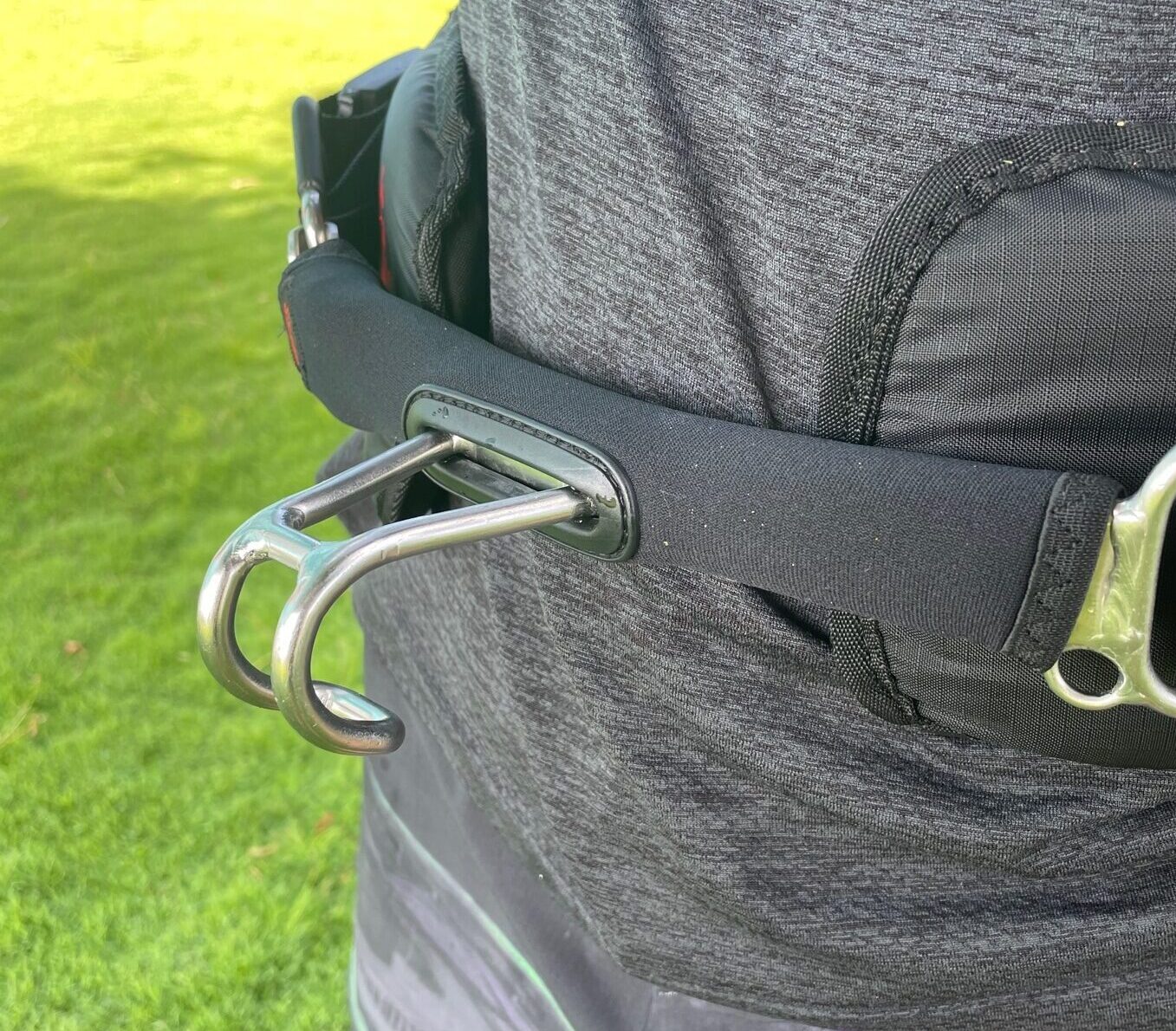
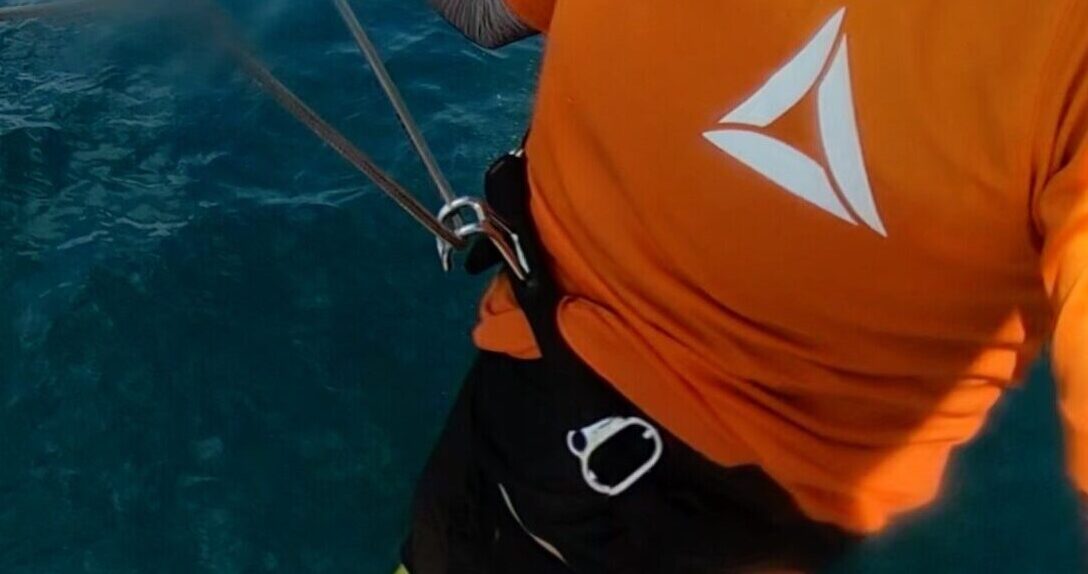
My choice fell on the trapeze from „Ozone“. This is more or less a mini kitesurf harness with a normal, heavy hook, which is of course far too oversized for this area of use. Clever though: the back area (padding) is sewn from super-light fabric.

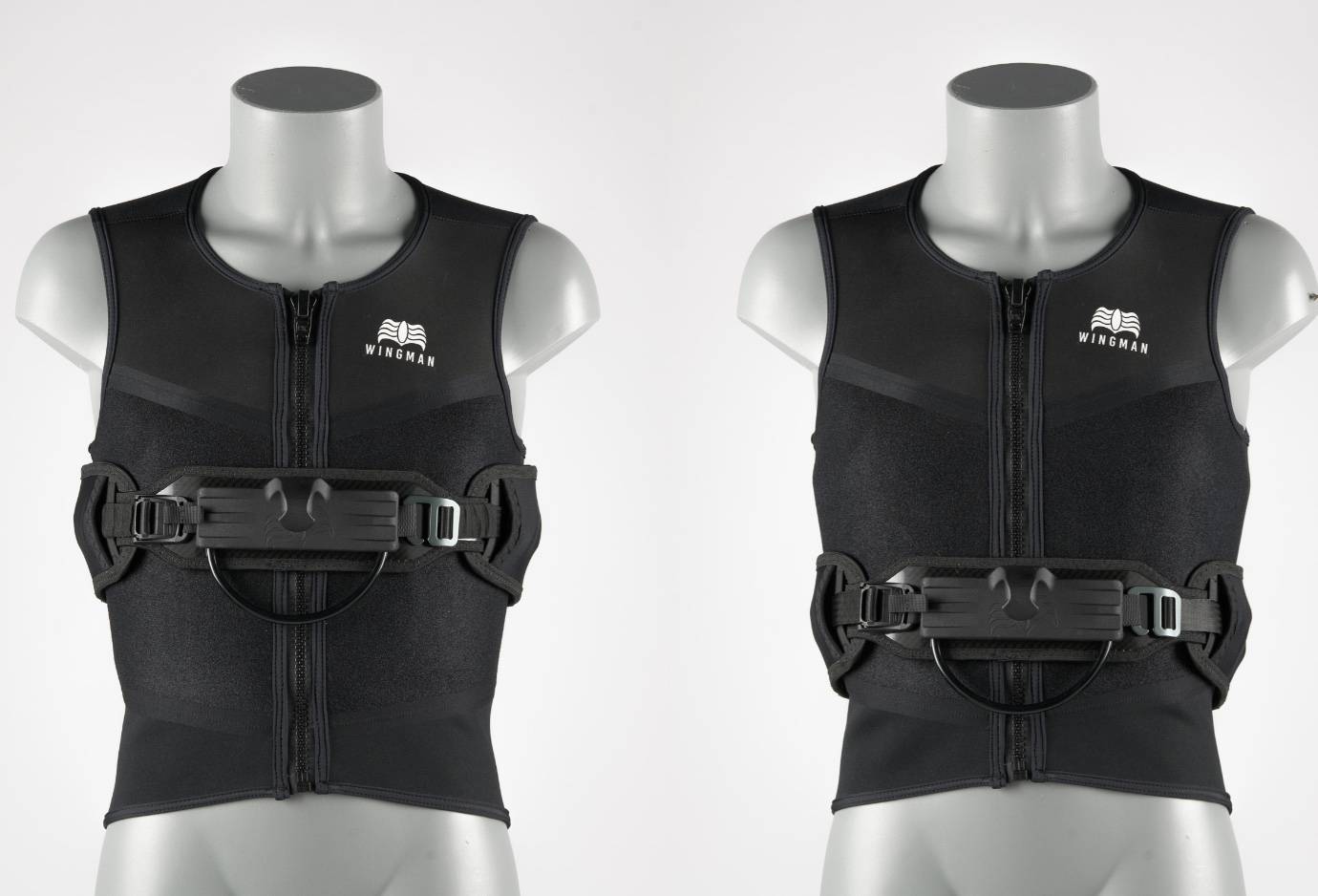
Mystic „Wingman“
A little smarter. The oversized standard hook has been omitted. A small plastic hook instead.
Check out the part. I think it's a good compromise. However, the back area seems very oversized and stable to me. A small, super-light pad, like the Ozone harness, would suffice.
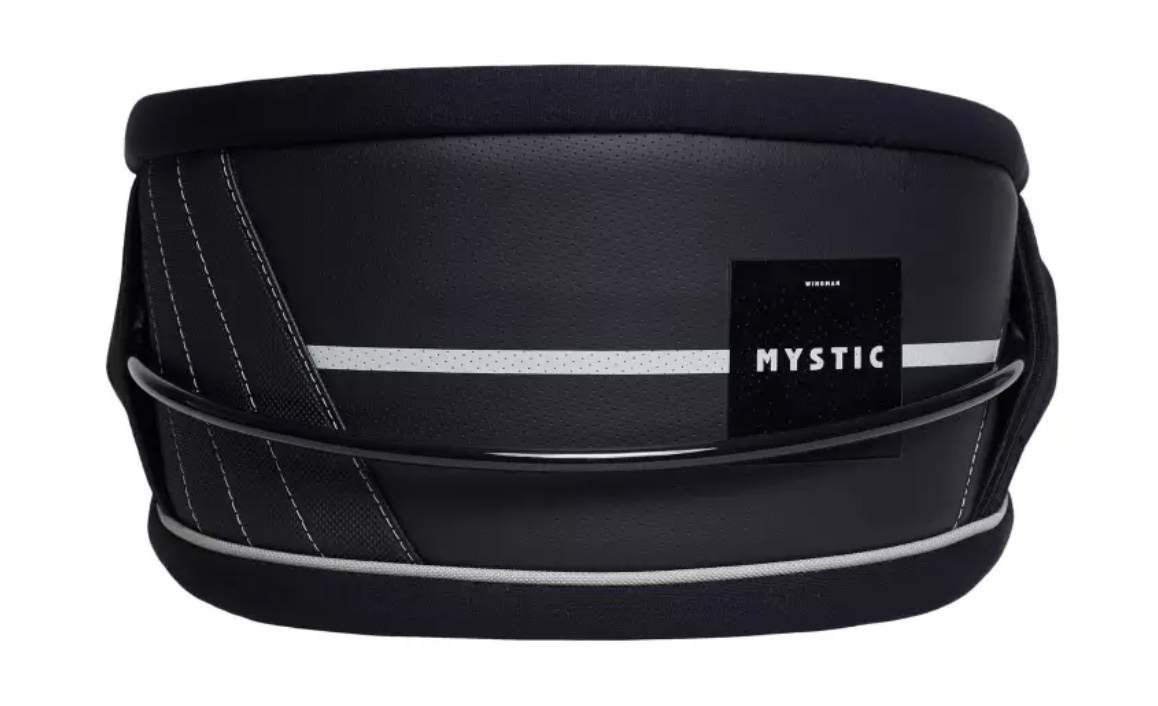
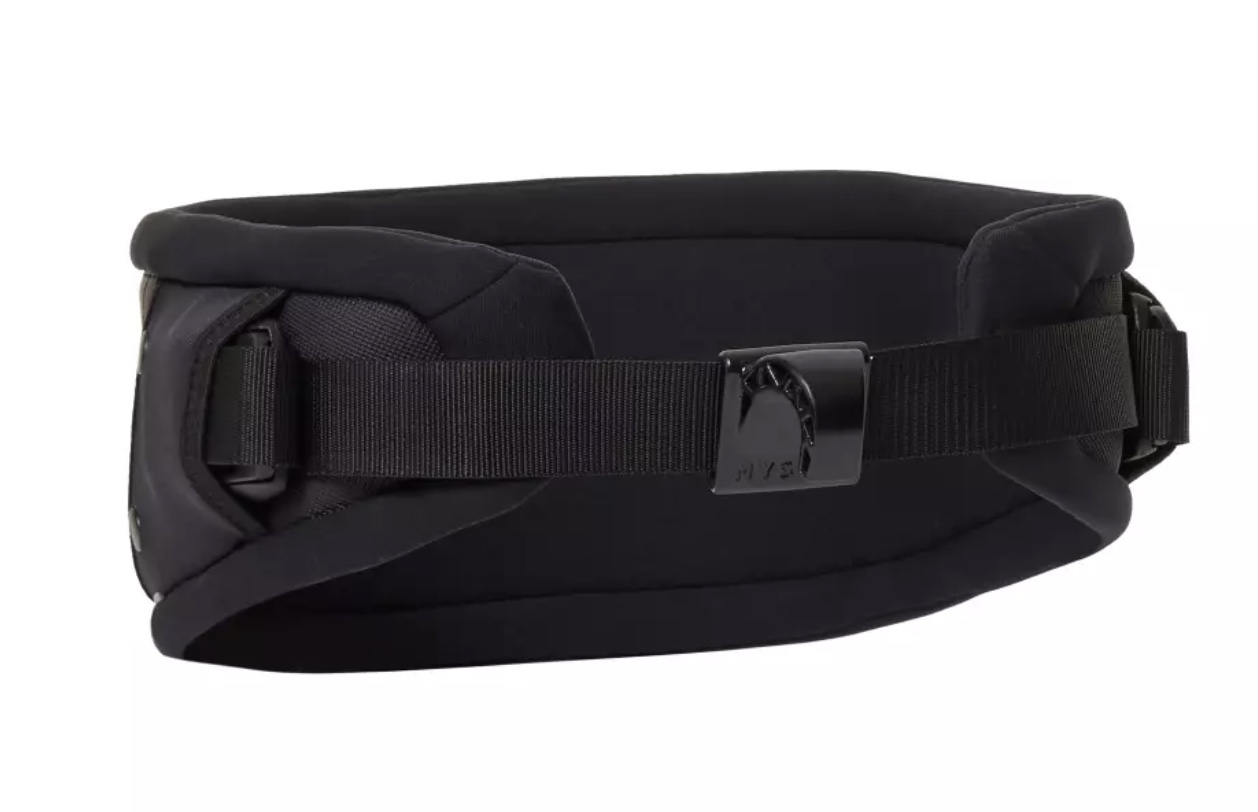
Rideengine „The Nug“
Ride Engine always at the forefront!
Ride Engine already has 2021 developed a little catch, that you can easily strap around your waist. Simply with a strap. I have also tried this one. It works great and is a very cheap and good solution.

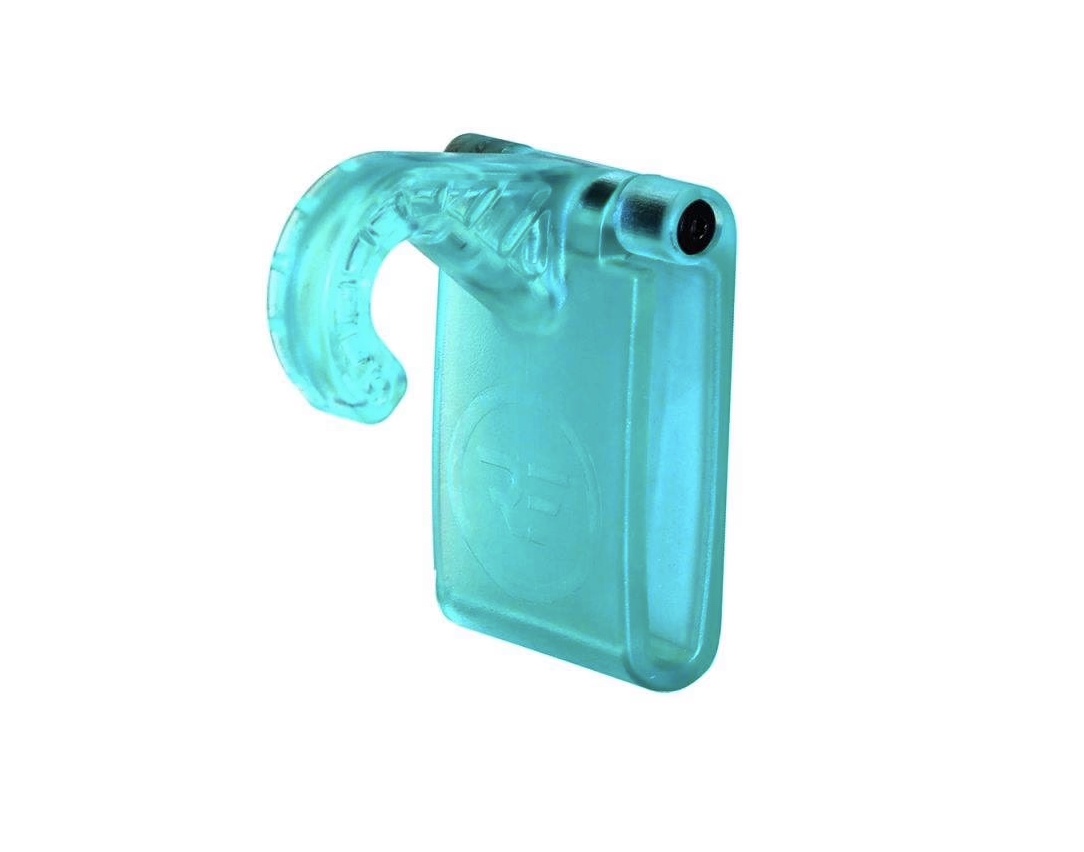
Wingman-products.com
This company has specialised in the professional design of a harness with integrated impact protection waistcoat.
A complete solution especially for wingfoiling. This company became known through the GWA Wingfoil Worldtour 2022/2023. It's totally crazy how innovative the concept is. Someone has really put a lot of money and development work into it.
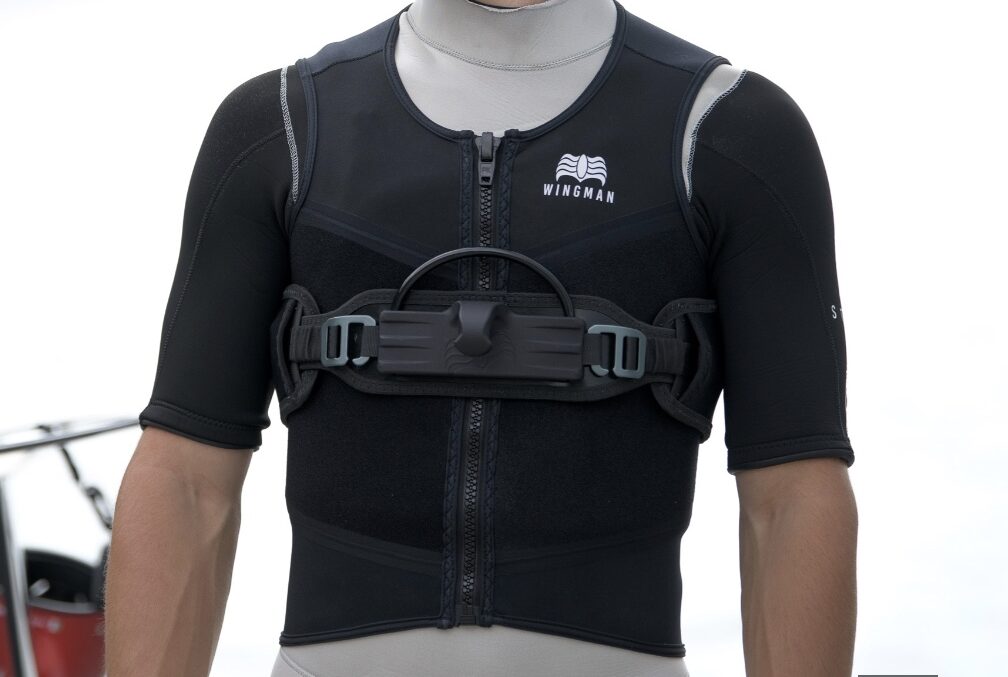
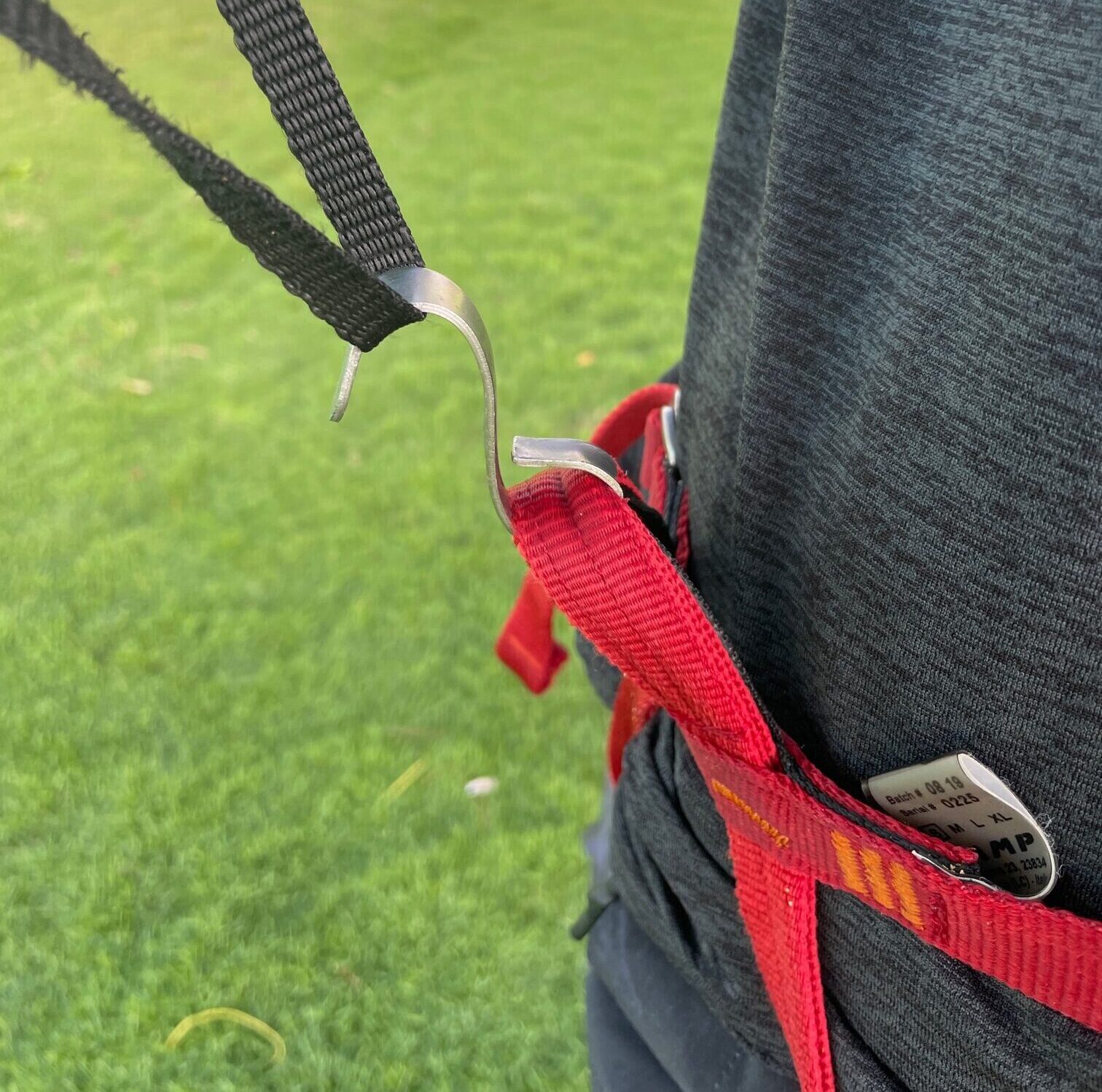
Self-made harness made from super-light climbing harness
A cool inspiration from my mate Basti. He has probably the simplest and lightest solution for a wingfoil harness at the start.
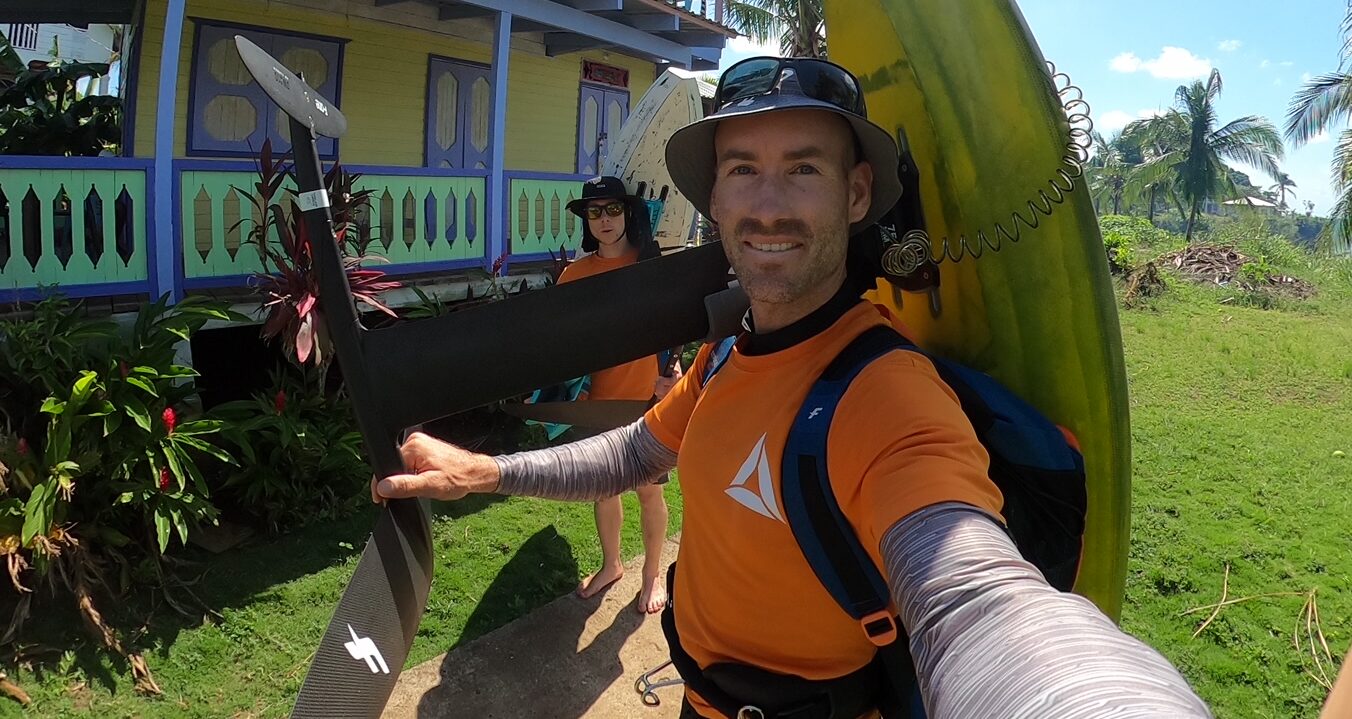
A super-light climbing harness with a hook - it can be that simple. The „harness“ weighs just 92 grams. The hook was bent here in Nicaragua from the handle of a fork. Holds like a bomb! The hook even folds in automatically and therefore doesn't damage the board surface. The position of the hook is not annoying as it sits very deep.
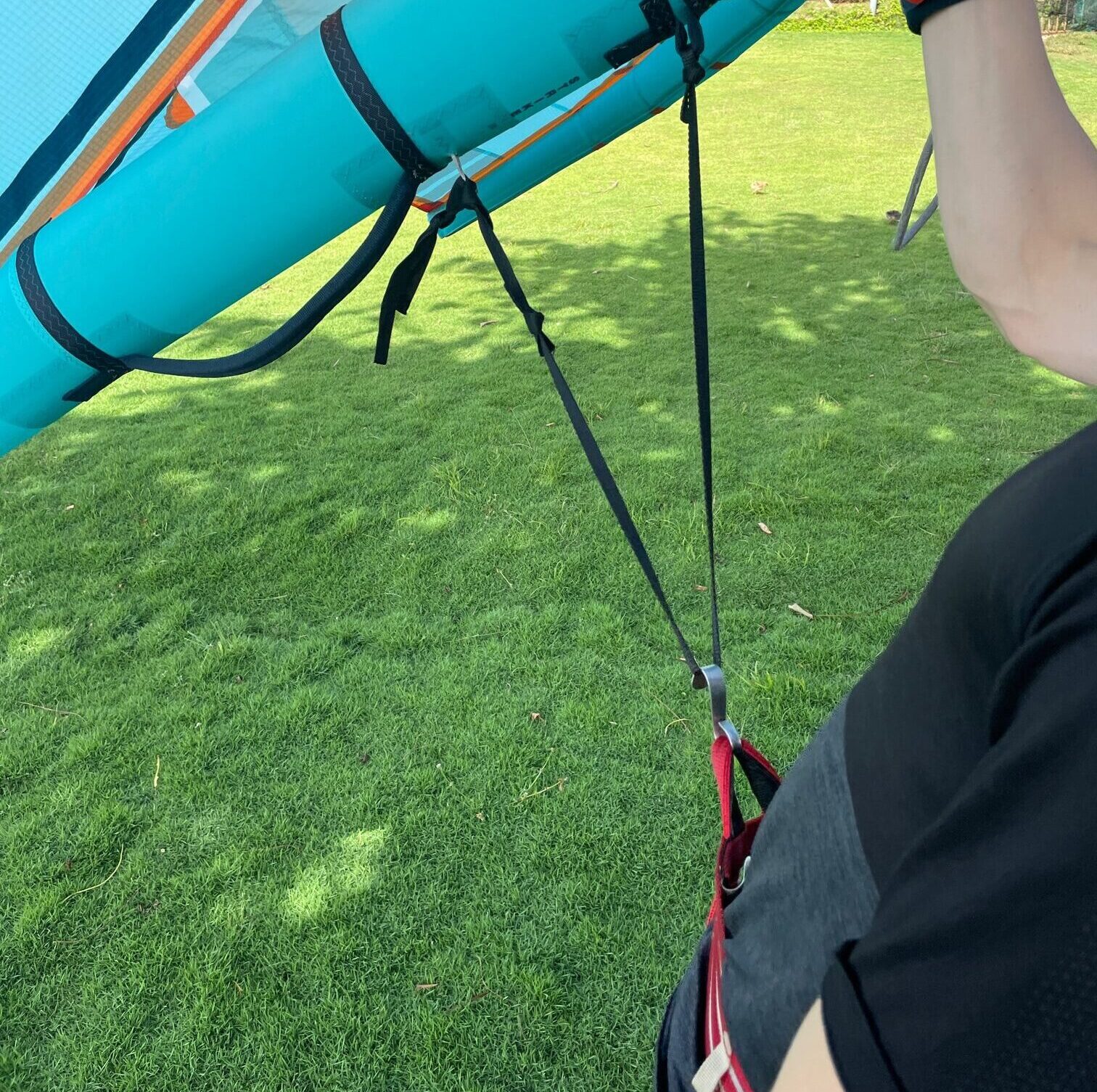
The different trapeze ropes for wingfoiling
The design of the trapezoidal ramp has a major influence on ride comfort.
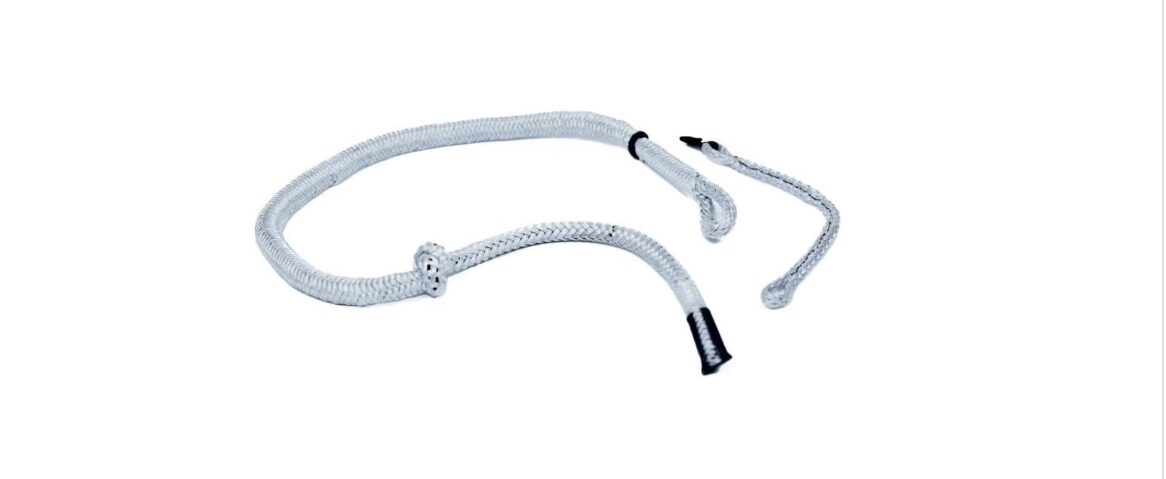
Not all trapeze ropes are the same: there are many different designs. It's best to try them out a bit. We tried 3 different designs. A Dyneema rope with a sheath, a normal, round rope and a 10 mm wide „tubular webbing“ from a climbing centre. They all work, but I would prefer a rope with elasticated webbing. Either with a „tubular webbing“ or a Dyneema rope with an internal elasticated band. This is also used with the F-One Leash. This would stop the rope from swinging around and therefore cause even less interference. This will definitely be retrofitted soon.
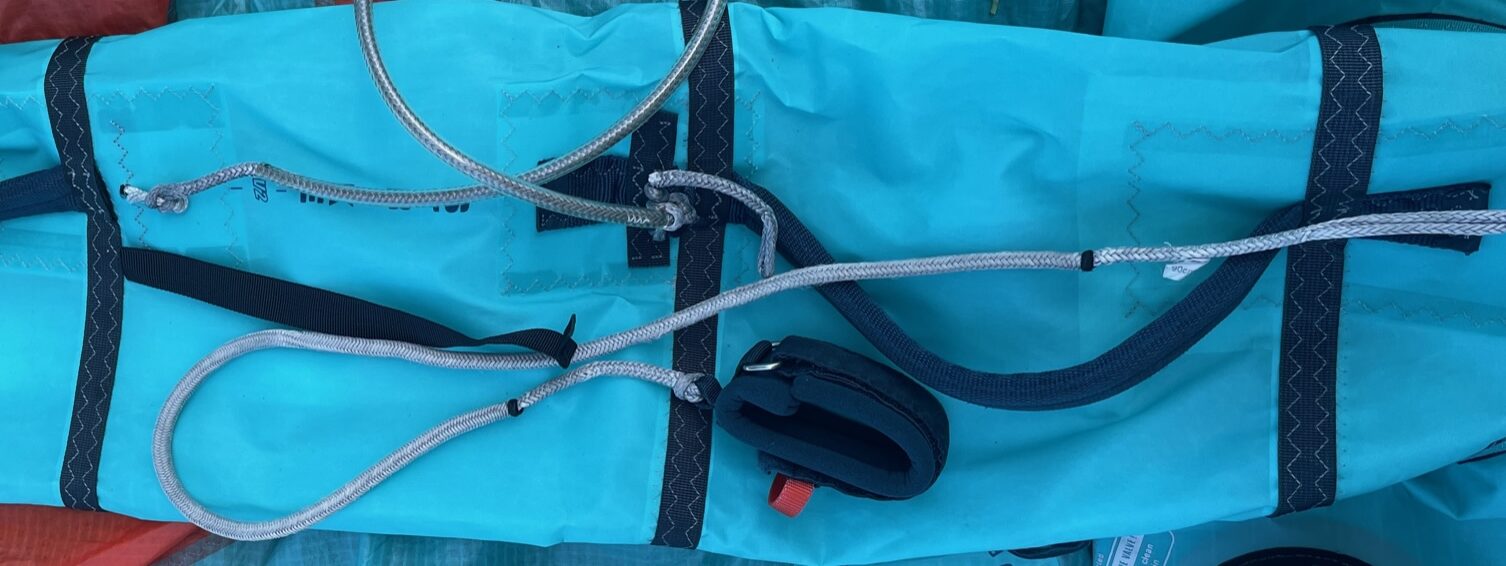
Ozone trapezoidal ropes
Look here: it looks good. Already ordered! :-)
Ozone also offers a very interesting Trapeze ropes with elasticated cord on. Let's see what it can do!
Conclusion Wingfoil harness
Go for it! It feels really smooth. It's a bit like windsurfing, but without the extreme back position.
Taking the weight off your arms is really cool at first and once you've found your setup, you might not want to do without it again. At the moment I don't see any reason to leave out the trapeze. It doesn't get in the way at all. It is super light and offers only advantages and no disadvantages in certain situations. The dangling of the tampon can be eliminated by an elastic band in the tampon.
Of course, very often you just ride unhooked anyway. I would say it always depends a bit on the conditions. Sometimes, for example, you are overpowered by 1-2 square metres out of nowhere. Even then, you enjoy this possibility of arm relief. Contrary to my expectations, I find that the harness doesn't get in the way in any situation. I simply turn my Ozone to the side or even onto my back within 2 seconds and it's as if I wasn't wearing a harness at all.
I'm going to build a smaller hook for the Ozone harness - then the system will be perfect. However, a little fine-tuning of the length of the pad is very important and necessary. The market for wingfoil harnesses is also developing rapidly. So we can look forward to further developments.
Tips and tricks
Want to get started right away with the trapeze rope? Here are a few more tips.
- Do you feel confident enough and do you have enough experience with your setup? Can you jibe and tack smoothly? Then you're definitely ready! First of all, a small strap is enough to test out the feeling of riding.
- The conditions should be suitable! This means: no storm, no impaired visibility and, above all, no waves/choppy water. Everything can be tested much better in shallow water.
- Make sure you find a spot where there's nothing going on! It makes no sense at all to do your first hooked-in sessions in a crowded spot. This can be dangerous for you and others.
- Test everything on land first: Hook in, unhook. Ideally with the right amount of pressure in the wing. Always try to take the weight off the wing when hooking in, i.e. take the weight off the back hand so that the profile is not so much in the wind.
- First ride: I would recommend practising the hooking process in the water afterwards. And not on the foil, but in displacement mode. Start off unfoiled if your board volume allows it. Then it's super easy without the risk of crashing.
- Unhooking can also be tricky, depending on the harness hook. I have found that some webbing/hook combinations are difficult to unhook. There is also an increased, uncontrolled risk of falling. Sometimes it was so bad that I pulled down 3-4 times to unhook myself and the webbing didn't come loose.
- Make sure that your webbing is the right size and that it can move freely. It must not be twisted so that you don't have to untangle it when you hook it in.
- I would start with a harness such as the „Ozone“ with a normal hook. The reason for this is the large hook, which is very easy to use. It is very easy to hook in and very easy to unhook. This harness is also super easy to turn sideways as it is made of very light material and slips easily. Most falls actually happen at the beginning when hooking in, as the focus moves from the surface of the water to the hook/rope and you also look down a lot. If this process is facilitated by a large hook, you will fall less.